Table Of Content
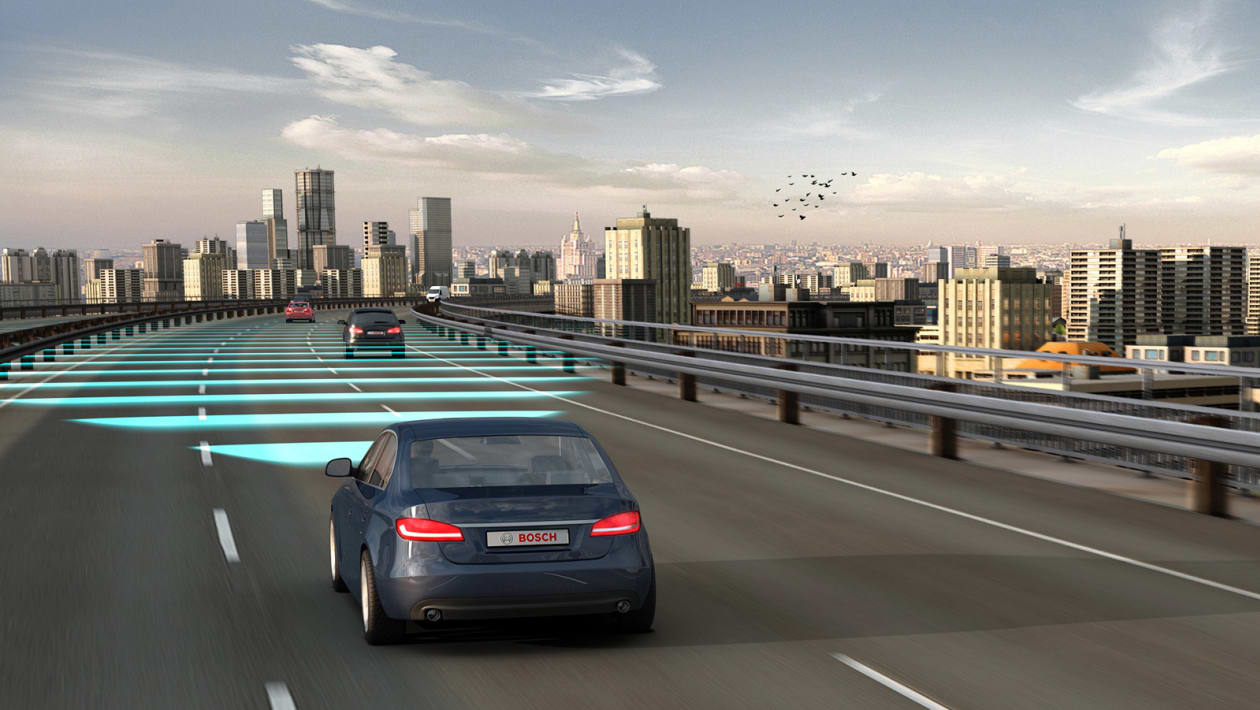
It doesn’t accelerate hard and most systems have no control over the brakes. Flooding hides road defects, increases the risk of hydroplaning, and reduces your vehicle’s control. Look for unusually high water levels on roads, reduced lanes, or traffic moving slower than usual. The slippery surface reduces tire traction, making it harder to stop quickly and potentially leading to collisions.
Increase your visibility by turning on your headlights
Once you reach the desired miles per hour, press the “set speed” button to maintain it. If you want to go faster, press the appropriate button for an extra one or two mph. Conversely, hit the indicated deceleration button to slow down a little bit. Neither conventional nor adaptive cruise control can detect hazards or road conditions, regardless of whether the weather is inclement or pleasant.

Practice Ahead of Time
So, unless something is wrong with your cruise control system, if you’re using it in the rain and you encounter a situation where the car begins to lose control, the cruise control system will be turned off immediately. What that’s saying is that as soon as a car on cruise in heavy rain begins to hydroplane or skid or experience some other loss of control, cruise control kicks off. Slick roads are a factor in close to 1.2 million vehicle accidents every year, according to the highway administration. Here’s how to stay in control of your car and keep yourself safe while driving this spring.
Adaptive Cruise Control Doesn’t React As Fast as Humans
Driving safe during flash flooding - KCENTV.com
Driving safe during flash flooding.
Posted: Tue, 23 Jan 2024 08:00:00 GMT [source]
Please pass the word around about not using cruise control when the pavement is wet or icy. The highway patrolman said this should be on the sun-visor with the warning about air-bags. When driving on wet roads, disable your cruise control and lower your speed. If you start to skid or hydroplane, take your foot off the gas, grasp the steering wheel with both hands, and steer toward the direction of the skid. Once you have some control, you can correct your car and get centered back in your lane. Cruise control is a great feature, especially on those long road trips, but make sure you keep an eye out for wet roads and rain.
Wet weather driving tips to keep Philadelphians safe - Metro Philadelphia
Wet weather driving tips to keep Philadelphians safe.
Posted: Tue, 09 Jan 2024 08:00:00 GMT [source]
Latest Weather News
The highway patrol estimated her car was actually traveling through the air at 10 to 15 miles per hour faster than the speed set on the cruise control. Mark Reif has followed sports cars and auto racing since the early 80s, having read countless editions of Road & Track and Car & Driver and observed Formula 1, endurance racing, and the Indy 500. After earning a bachelor’s in industrial design from Virginia Tech, Mark finds himself looking deep into car designs to better understand their style and function.
Is It Safe to Drive in the Rain With Cruise Control On?
Have you ever been driving along using your cruise control and had your wheels slip when you were driving down the road? Your cruise control system was not designed to be used in bad weather or on icy roads. This article explains why you should not use cruise control in the rain and why you should really only be using cruise control if the roads are dry. Wet-road driving is fraught with dangers that are not always immediately apparent. Just a thin layer of water lying on pavement can send an unsuspecting car hydroplaning into another lane — the car's wheels skim along the water's surface instead of making contact with the road.
Rain happens all the time, and people still have to go places even when it’s wet on the roads. But wet weather driving can be hazardous, causing skids, hydroplaning, and slick roads. It can be tough to keep control of your vehicle when roadways are wet, but these tips can help you stay safer. Follow these tips to tackle rainy roads like an expert — and know when it’s smart to avoid driving, turn around, or pull over to wait for the rain to pass. It’s important to note that It wasn’t raining at the time that this happened, the road was just wet from a past rainstorm that had passed through.
A 36 year old female had an accident several weeks ago and totaled her car. A resident of Kilgore, Texas, she was traveling between Gladewater & Kilgore. It was raining, though not excessive, when her car suddenly began to hydroplane and literally flew through the air. If there is a middle lane, drive in it to help increase visibility and avoid deep water that might develop when rain runs off the sides of the road. In most cars, the feature can be disabled by hitting the brakes, but doing this, it can make the skidding worse, especially if you don’t have anti-locking brakes.
If you hit a spot of water in the road while your cruise control is on your car will continue to accelerate which can cause you to lose control of your car and slide off of the side of the road. This can become a problem for you if you are driving with your cruise control on and you hit a slick spot on the road as your cruise control will remain on and try to power the car through the slick spot. This can cause your vehicle to hydroplane out of control when you least expect it to. While the technology in cruise control has been improved over the years it is still a somewhat unintelligent system. Cruise control is designed to make sure that your vehicle maintains a certain speed regardless of what kind of road surface you are driving on.
Since you have lost traction at that point, it’s easy to leave the road and crash. Advice given in the Road Code for correcting skids is now outdated and dangerous. Nonetheless, the warning inherent to the tale — don't engage your vehicle's cruise control on slippery or wet roads — is well worth heeding.
Rain will likely affect your visibility, and cruise control might adversely affect your alertness, control, and reaction times. How much you slow down (or the reduced speed you set for cruise control) depends on your driving skills and the severity of the rain. The general recommendation is reducing normal speeds by a third in wet conditions. Contrary to what some people believe, cruise control won’t cause overspeeding in the rain, and the car will maintain the speed you select. However, there are a few safety issues that you must consider seriously. In a rear-wheel drive car it can cause oversteer which means the back of your car will swing out the opposite way you are turning.
As a result, while driving, the engine is constantly working since there is always something pushing against the vehicle. To maintain speed, the engine must overcome wind resistance, friction and power losses in the gearbox and differential, and tire rolling resistance. It’s generally only accurate to within 3-5kph, so setting it to 107kph is a bad idea since you’ll likely occasionally exceed the police’s tolerance. Cruise control detects your vehicle’s speed and modifies the throttle inputs to maintain that speed. Check out our program for bite-sized lessons, practice tests, and behind-the-wheel videos. You’ll even find lessons specific to your state’s laws and guidelines.
The only person I've found out who knew this (besides the patrolman) was a man who had a similar accident and totaled his car. This has made me wonder if this is not why so many of our young people are dying in accidents. Seat belt adjustments and more safety tips to consider when driving while pregnant.


No comments:
Post a Comment